Understanding the Differences Between Steam, Diesel, and Electric Locomotive Parts

Introduction
In recent weeks, compelling stories have emerged from the rail industry, showcasing the evolution and preservation of locomotives. For instance, America’s Largest Train Museum has successfully saved one of the most iconic vintage passenger locomotives, revealing the intricate components that make these machines work. Additionally, the ongoing transition to electrified trains, as highlighted by recent articles, underscores the importance of understanding the various locomotive types and their parts.
As the locomotive industry continues to innovate, it is essential for businesses involved in rail transport to comprehend the differences between steam, diesel, and electric locomotives. Understanding these differences can significantly impact maintenance strategies, parts procurement, and overall operational efficiency. In this context, Unotech Engineering stands out as a leading OEM locomotive parts supplier, dedicated to providing high-quality components tailored to the specific needs of each locomotive type.
Overview of Locomotive Types
Locomotives can be broadly classified into three categories: steam, diesel, and electric. Each type has its unique mechanisms, components, and operational characteristics. As a reputable supplier in the railway sector, Unotech Engineering provides parts designed for each of these locomotive types, ensuring OEM-quality solutions that meet stringent industry standards.
1. Steam Locomotive Parts
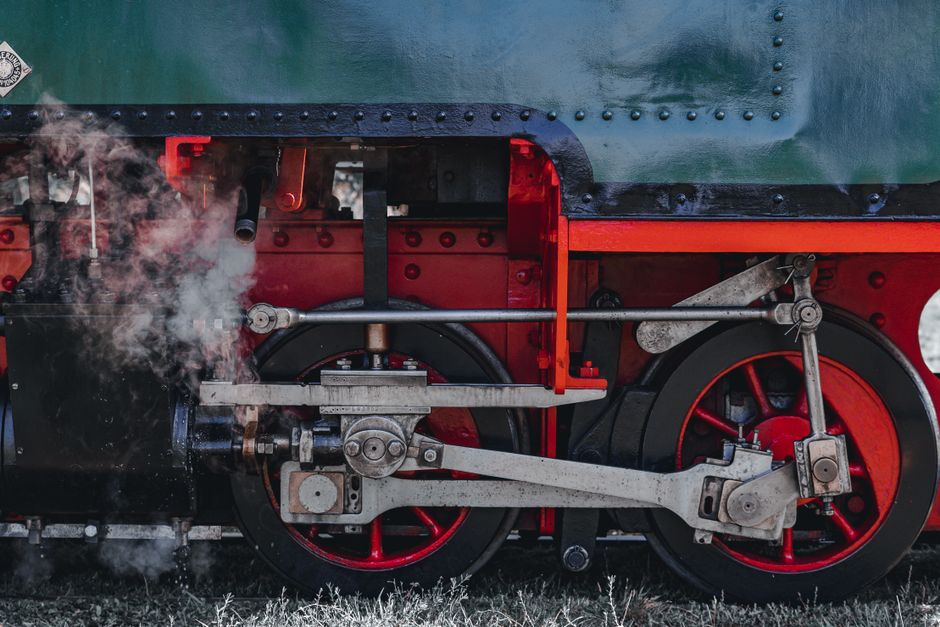
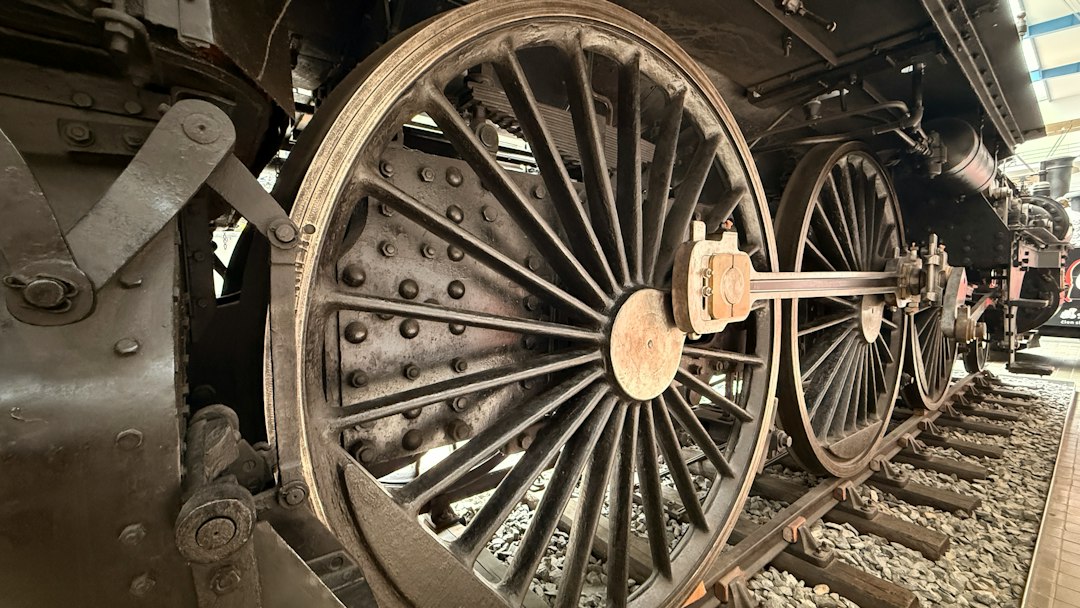
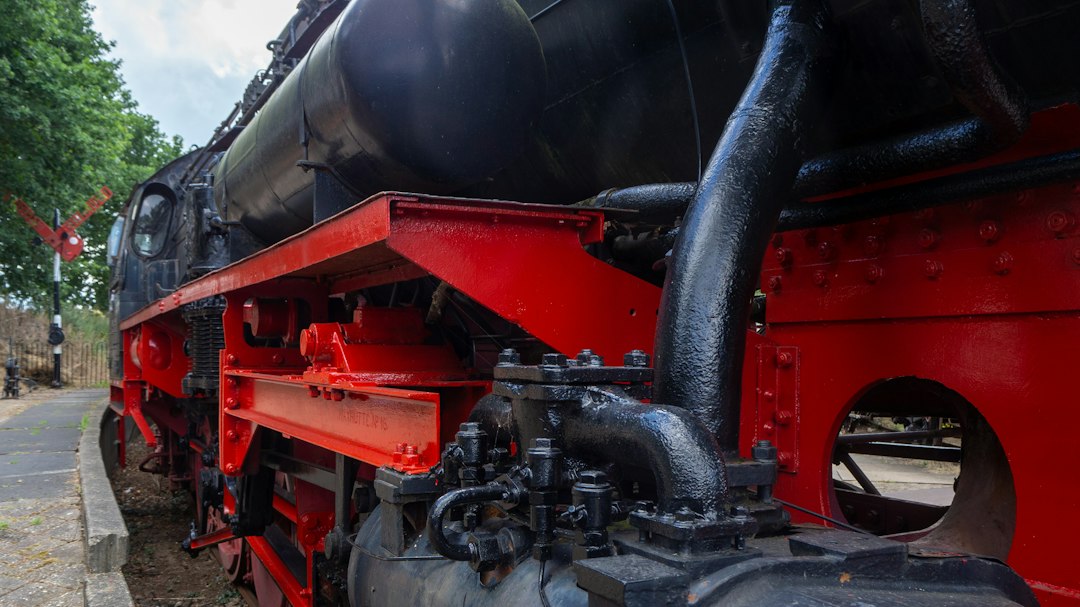
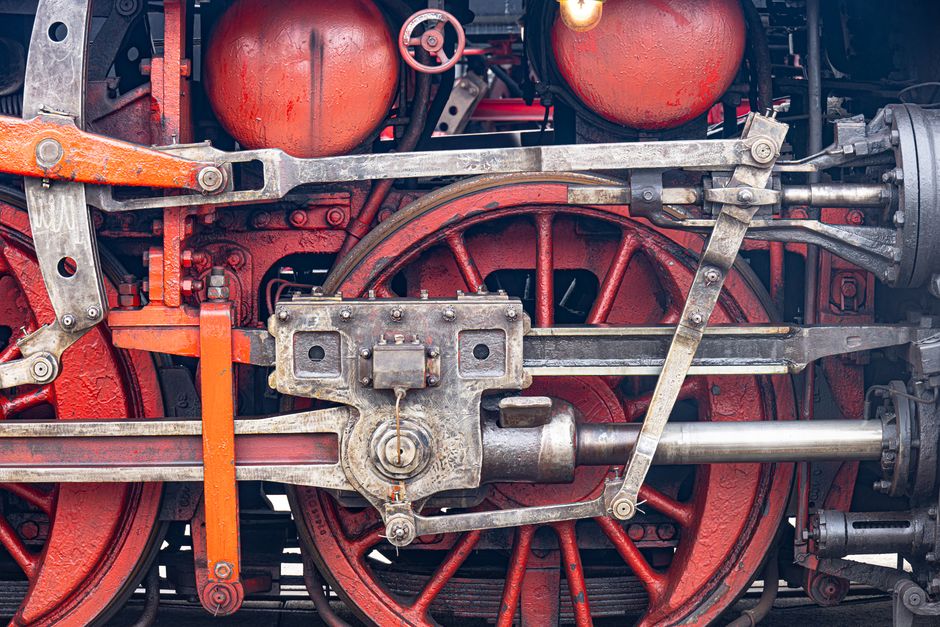
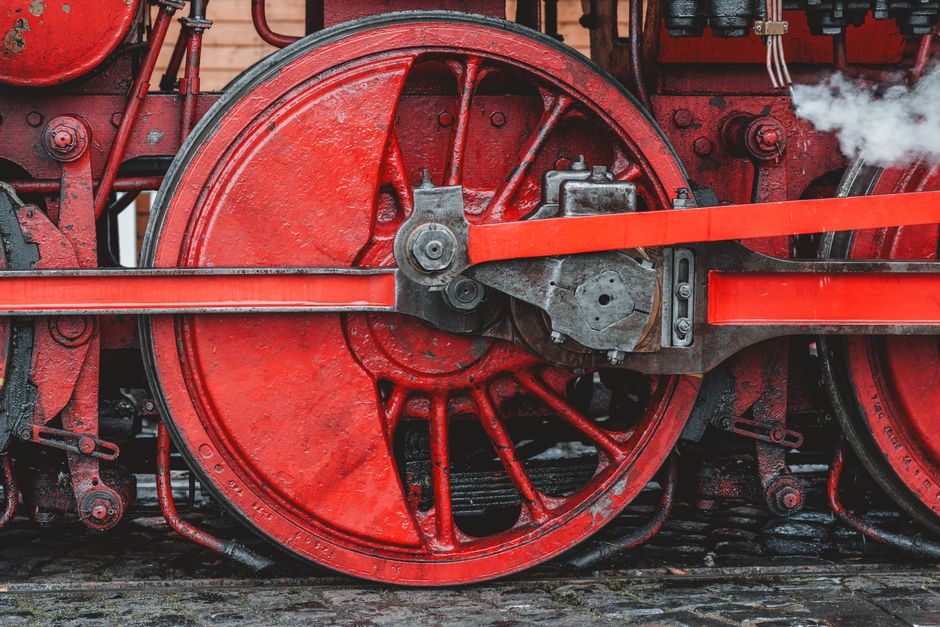
Steam locomotives, once the backbone of rail transport, rely on steam generated from boiling water to drive their engines. The key components of steam locomotives include:
- Boiler: The heart of the steam engine, where water is heated to create steam.
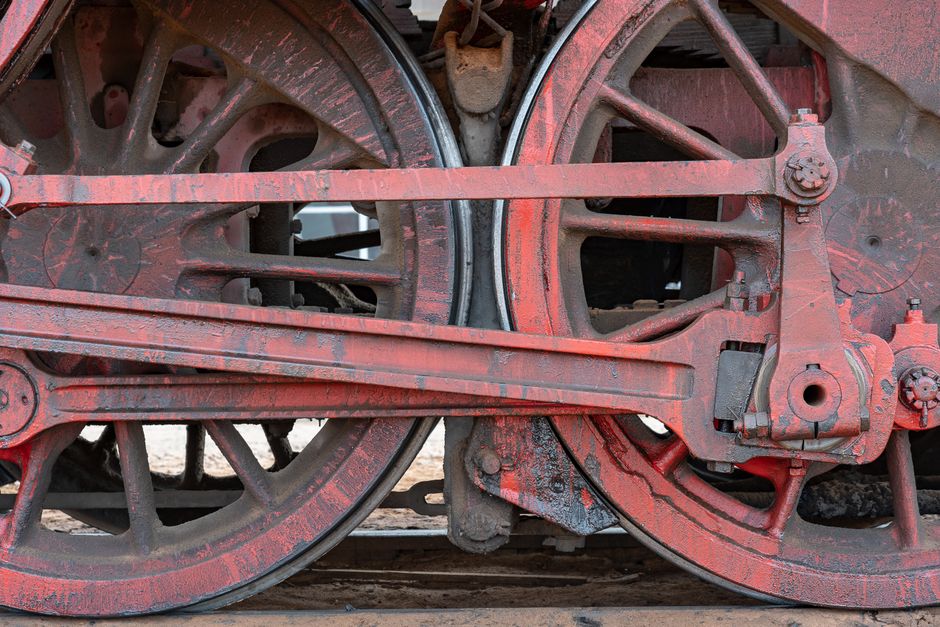
- Piston and Cylinder: Converts steam pressure into mechanical energy to drive the wheels.
- Firebox: Where fuel is burned to generate heat for the boiler.
- Smoke Box: Collects smoke and gases produced during combustion.
- Valves and Valve Gear: Control steam flow into and out of the cylinders.
Recent advancements, such as compressed-air technology, are fueling hopes for a steam engine revival, making it critical to source quality parts from a trusted supplier like Unotech Engineering.
2. Diesel Locomotive Parts
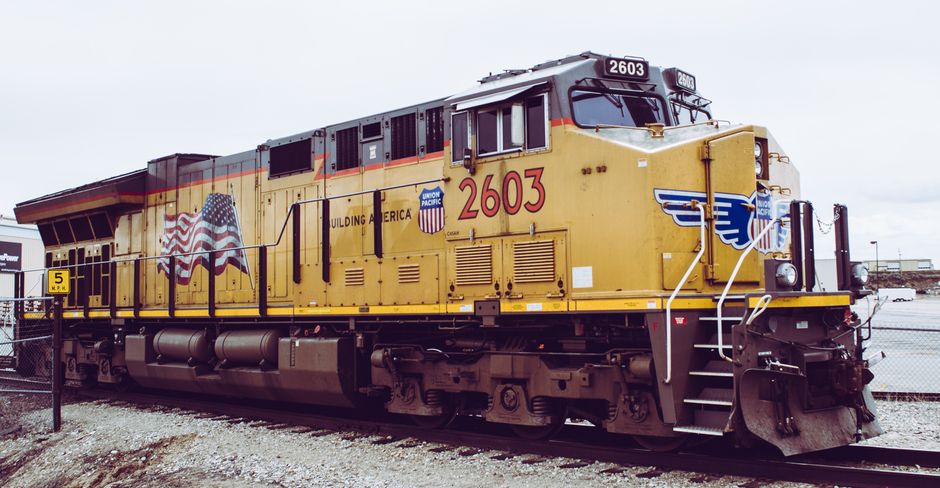
Diesel locomotives have replaced steam engines in many applications due to their efficiency and lower operating costs. The primary components include:
- Diesel Engine: Converts diesel fuel into mechanical energy, driving the locomotive.
- Transmission: Transfers power from the engine to the wheels.
- Cooling System: Maintains optimal operating temperature of the engine.
- Fuel System: Ensures efficient delivery of diesel to the engine.
- Exhaust System: Manages emissions produced during combustion.
Unotech Engineering specializes in providing durable parts for diesel locomotives, ensuring reliability and performance in various operational conditions.
3. Electric Locomotive Parts
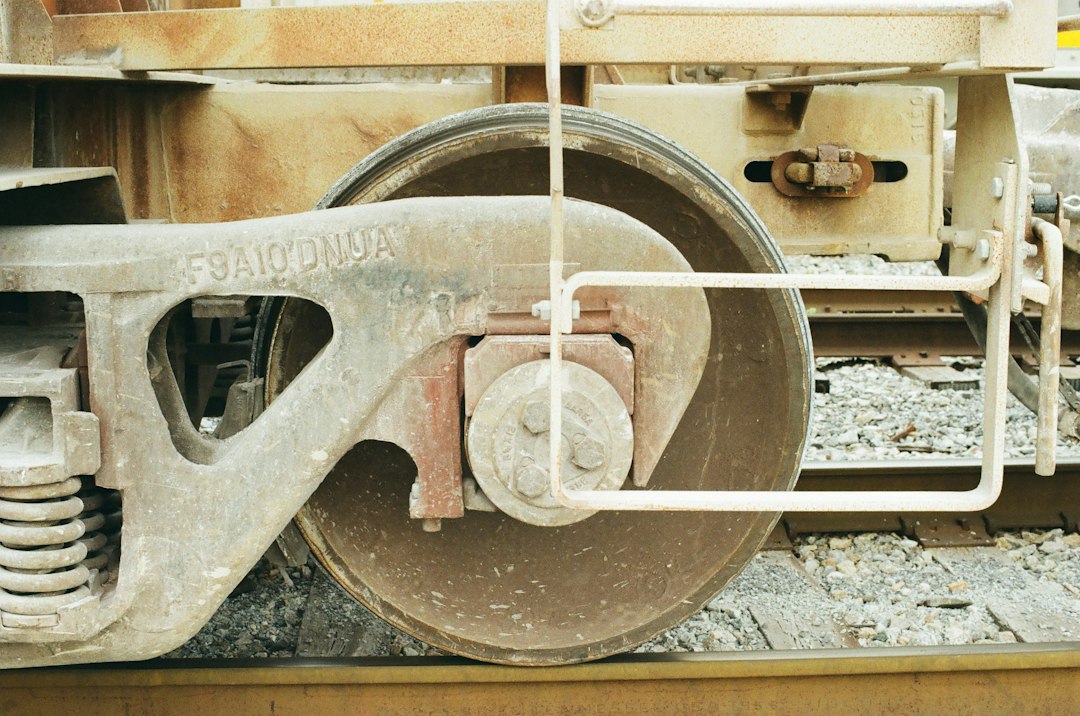
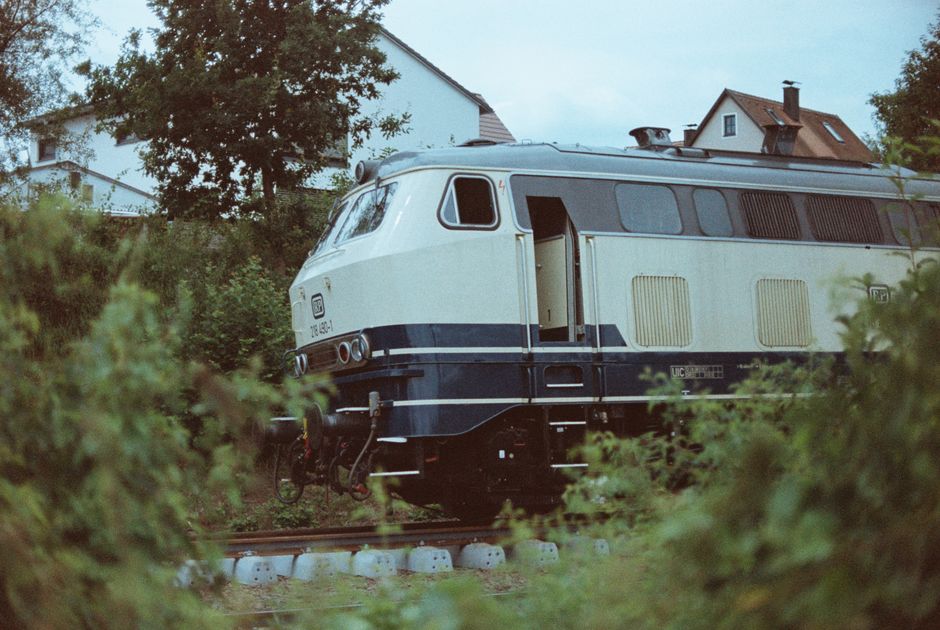
Electric locomotives are increasingly popular due to their environmental benefits and operational efficiency. They operate using electricity from overhead lines or an electrified rail. Key components include:
- Electric Motor: Converts electrical energy into mechanical energy to drive the locomotive.
- Transformer: Steps down high voltage electricity to a usable level.
- Rectifier: Converts alternating current (AC) to direct current (DC).
- Control System: Manages the power delivery and locomotive speed.
- Braking System: Often includes regenerative braking to improve efficiency.
As highlighted by recent developments in Indian Railways’ electrification efforts, the demand for electric locomotives is on the rise. Unotech Engineering is committed to supplying high-quality parts for electric locomotives, ensuring compliance with international standards.
Comparative Analysis of Locomotive Parts
Understanding the differences between steam, diesel, and electric locomotive parts is crucial for maintenance and operational decision-making. Here’s a comparative analysis:
- Efficiency: Electric locomotives are generally more efficient than diesel and steam due to their lower energy losses.
- Maintenance: Diesel locomotives require more maintenance compared to electric models but are typically easier to maintain than steam locomotives.
- Environmental Impact: Electric locomotives produce fewer emissions, making them the most environmentally friendly option.
- Cost: While electric locomotives have higher upfront costs, they offer long-term savings in fuel and maintenance.
Unotech Engineering’s Role in the Locomotive Industry
As an industry leader in the OEM locomotive parts sector, Unotech Engineering understands the intricacies of different locomotive types. Our commitment to providing high-quality components, competitive pricing, and reliable delivery sets us apart from other suppliers.
We source materials and manufacture parts that meet the diverse needs of steam, diesel, and electric locomotives, ensuring that our clients can maintain their fleets without interruption. Whether you require specific components for a vintage steam locomotive or modern electric models, Unotech Engineering is the partner you can trust.
Conclusion
In conclusion, understanding the differences between steam, diesel, and electric locomotive parts is essential for businesses in the rail industry. It not only aids in effective maintenance strategies but also impacts operational efficiency. As you explore options for sourcing high-quality locomotive parts, look no further than Unotech Engineering. With our extensive experience, global reach, and commitment to OEM quality, we are poised to meet your locomotive parts needs.
Get in Touch with Unotech Engineering
To learn more about our wide range of locomotive parts and how we can help enhance your operations, please do not hesitate to contact us:
- Phone: +91 8800724443
- Email: info@unotechengineering.com
- Address: Unotech Engineering, 206 BMC House, N1 Connaught Place, New Delhi 110001, India
Partner with Unotech Engineering today for all your locomotive parts needs and experience unparalleled quality and service.