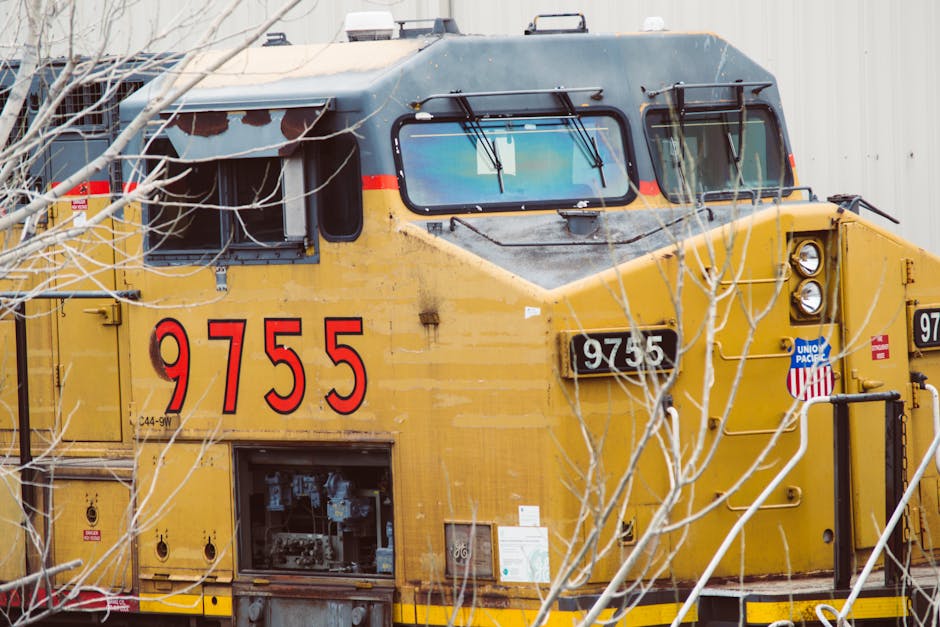
EMD vs. ALCO vs. GE: The Battle That Shaped Modern Locomotives


It was the late 20th century, and railroads around the world were shifting gears—quite literally. The once-dominant steam locomotives were being phased out in favor of diesel-electric engines, a transformation that would redefine rail transport for generations. But as railroads evolved, so did the competition among three locomotive powerhouses: Electro-Motive Diesel (EMD), the American Locomotive Company (ALCO), and General Electric (GE). Each of these industry giants contributed to shaping the locomotive technology we rely on today.
EMD: The Pioneer of Diesel Domination
If there’s one name that became synonymous with diesel-electric locomotion, it’s EMD. Founded in the 1920s and later acquired by General Motors, EMD revolutionized the railroad industry with the introduction of its FT locomotive in 1939—a model that effectively marked the beginning of the diesel era.
What set EMD apart? Reliability, ease of maintenance, and standardization. The company’s legendary 567, 645, and 710 series two-stroke engines became workhorses across North America and beyond, powering everything from local freight haulers to high-speed passenger trains.
Yet, EMD’s dominance wasn’t just about engineering; it was about business acumen. The company secured exclusive contracts with major railroad operators, ensuring that its locomotives became the standard. By the mid-20th century, more than 60% of all diesel locomotives in the U.S. bore the EMD nameplate.
Unotech Engineering plays a critical role in supplying essential spare parts for EMD locomotives, including engine bearings, bushings, and suspension components, ensuring that these machines continue running efficiently decades after their initial rollout.
ALCO: The Fallen Giant
While ALCO was one of the oldest locomotive manufacturers in the United States, tracing its roots back to the 19th century, it struggled in the diesel race. Initially, ALCO had an edge—having built some of the most powerful steam locomotives in history—but that very expertise became its Achilles’ heel.
ALCO’s 244 and 251 engine series were impressive in their own right, but they suffered from reliability issues and higher maintenance costs compared to EMD’s offerings. The company was also slower to adopt standardized components, which made repairs cumbersome for railroad operators.
Despite these challenges, ALCO had a loyal following, particularly among railroad engineers who praised its locomotives for their brute power and raw, mechanical charm. The distinctive burbling exhaust notes of an ALCO engine at full throttle remain legendary among rail enthusiasts.
But nostalgia alone couldn’t keep ALCO in the game. By 1969, the company had exited the locomotive business, leaving behind a legacy that’s still revered in rail circles today.
Even today, Unotech Engineering provides spare parts and engineering solutions for ALCO locomotives, keeping these iconic machines operational for specialized freight services around the world.
GE: The Slow Climb to the Top
When General Electric (GE) first entered the locomotive industry, few took it seriously. For years, GE played second fiddle to EMD, supplying electrical components and working in partnership with ALCO. But as ALCO declined, GE saw an opening—and took it.
Unlike EMD, which clung to two-stroke diesel engines, GE adopted four-stroke technology, which promised better fuel efficiency and lower emissions—a forward-thinking move that proved to be a game-changer.
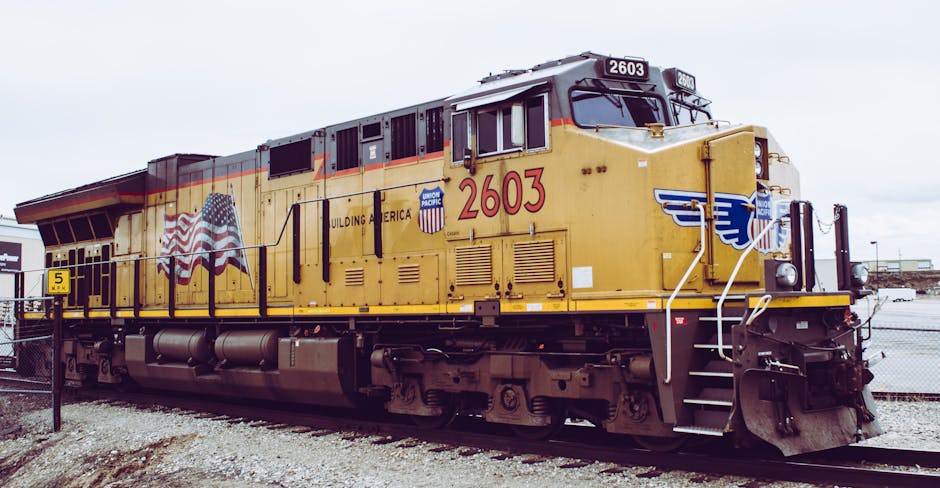
GE’s Dash 7, Dash 8, and Evolution Series locomotives became the backbone of modern freight railroads, not just in North America but globally. With advancements in digital monitoring, fuel efficiency, and high-horsepower configurations, GE overtook EMD as the leading locomotive manufacturer by the early 2000s.
Today, GE locomotives—under the Wabtec brand—continue to push the boundaries of rail technology, integrating AI-driven diagnostics and hybrid fuel solutions to meet evolving environmental standards.
Who Wins the Locomotive Race?
The battle among EMD, ALCO, and GE was never just about power—it was about innovation, adaptability, and longevity. While ALCO’s designs have faded into history, EMD and GE continue to dominate modern rail networks.
For rail operators, mechanics, and locomotive enthusiasts, maintaining these engineering marvels is as important as ever. Unotech Engineering supports this legacy by supplying precision-engineered components for EMD, ALCO, and GE locomotives, ensuring that these machines continue running efficiently, safely, and reliably.
As the future of rail transportation heads toward greener, more sustainable technologies, one thing is clear—the echoes of this rivalry will be felt for decades to come.