Argentina Secures $130M Deal with China to Tackle Rail Emergency

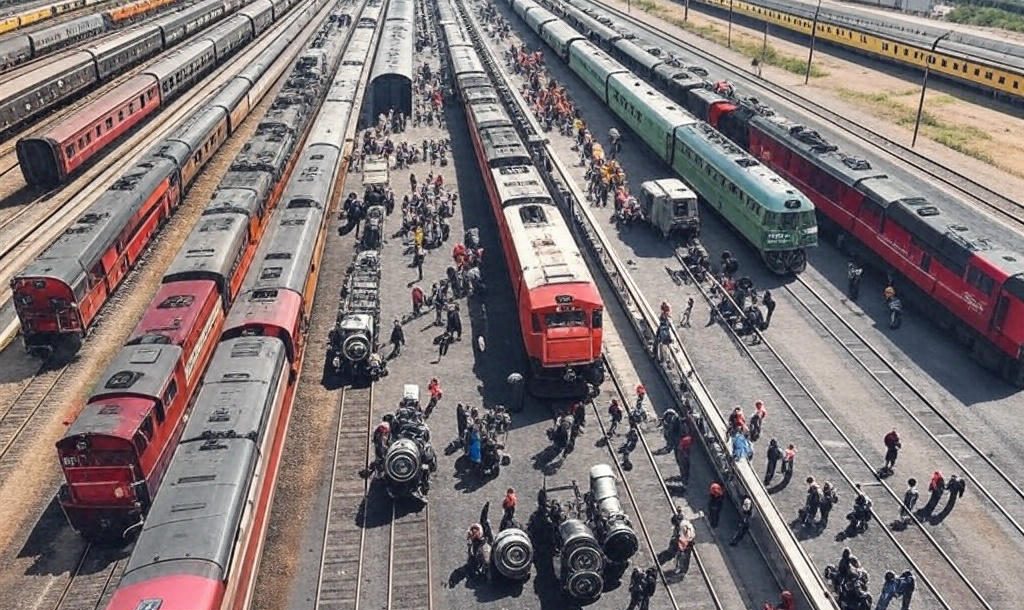
Argentina’s rail sector is poised for a revival with a landmark $US 130 million contract signed between state-owned operator Argentinian Trains and China’s CRRC Sifang, announced in early 2025. This deal aims to address a critical maintenance crisis on Buenos Aires’ Roca, Sarmiento, and Mitre commuter networks, where spare parts shortages have plagued electric multiple units (EMUs). Deliveries of essential components—such as bogies, couplers, and traction system parts—will begin in the second half of 2025, split into four batches, alongside workshop equipment to boost local repair capacity.
A Response to a Rail Crisis
The agreement comes as Argentina’s railway network faces an emergency, with over 90% of the San Martín line’s locomotive fleet reportedly neglected due to insufficient maintenance, according to the Transport Secretariat. The $130 million investment is part of a broader $US 16.6 billion plan to rejuvenate the country’s rail infrastructure, which has struggled with outdated rolling stock and low freight efficiency—only 4% of inland freight moves by rail, averaging a sluggish 12-15 km/h. This deal follows previous collaborations with China, including the supply of 709 EMU cars in 2013, which faced reliability issues due to spare parts delays, prompting a 2020 maintenance contract with CRRC.
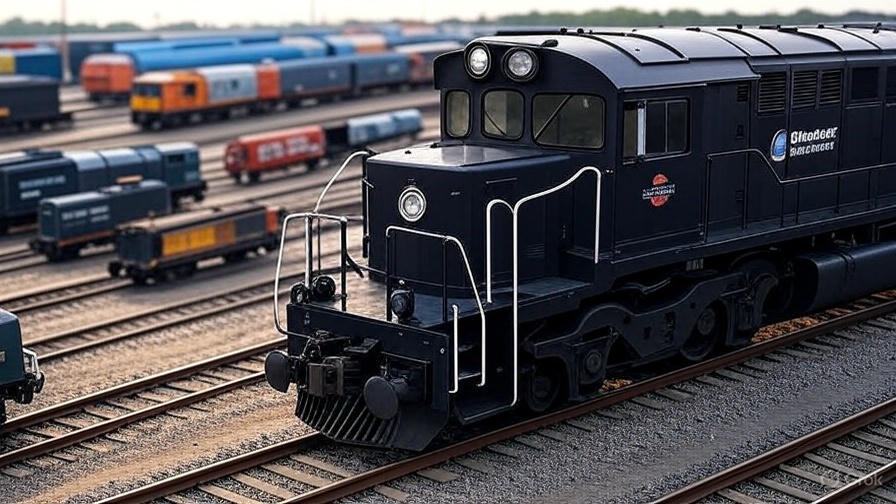
The contract also includes the acquisition of three diesel locomotives for the San Martín line and plans for 50 three-car diesel multiple units (DMUs) to replace aging fleets across five commuter lines. Workshop overhauls at Victoria and Tolosa will further support this effort, aiming to reduce dependence on external contractors and cut costs by bringing maintenance in-house.
Global Implications and Local Concerns
China’s growing influence in Argentina’s rail sector reflects a broader trend of international partnerships, with CRRC and other Chinese firms investing billions in Latin American infrastructure. However, the reliance on foreign suppliers raises questions about long-term sustainability. Past reliability problems with CRRC-supplied EMUs suggest that Argentina must develop robust local maintenance capabilities to avoid future bottlenecks. Critics also point to the environmental impact of increased industrial activity, though the deal’s focus on workshop upgrades could mitigate some logistical emissions if paired with green technologies.
This move aligns with Argentina’s ambition to double rail freight volumes to 40 million tonnes annually, a goal supported by investments in lines like the Belgrano. Yet, the success of this initiative hinges on execution—delays or quality issues with Chinese parts could undermine the revival effort, a risk underscored by the country’s history of stalled rail projects.
Looking Ahead
As Argentina navigates this rail renaissance, the $130 million deal with CRRC Sifang marks a critical step toward modernizing its commuter and freight networks. The global rail industry will watch closely to see if this partnership delivers the promised reliability and efficiency. Unotech Engineering stands ready to support such initiatives with its expertise in aftermarket locomotive spares worldwide.