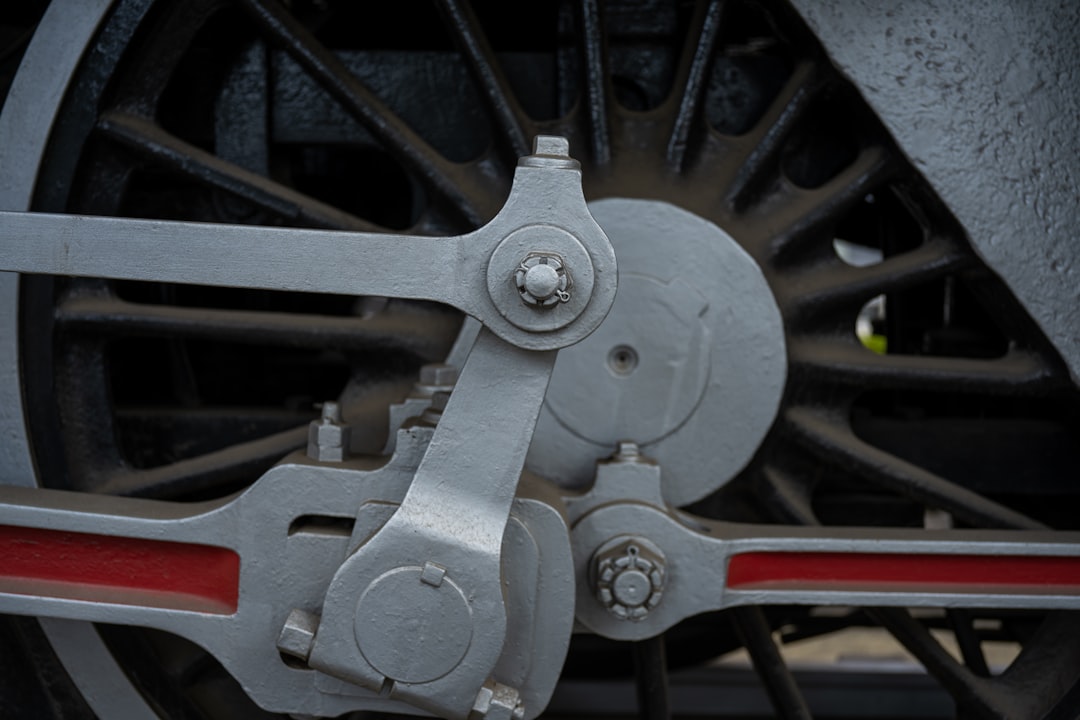
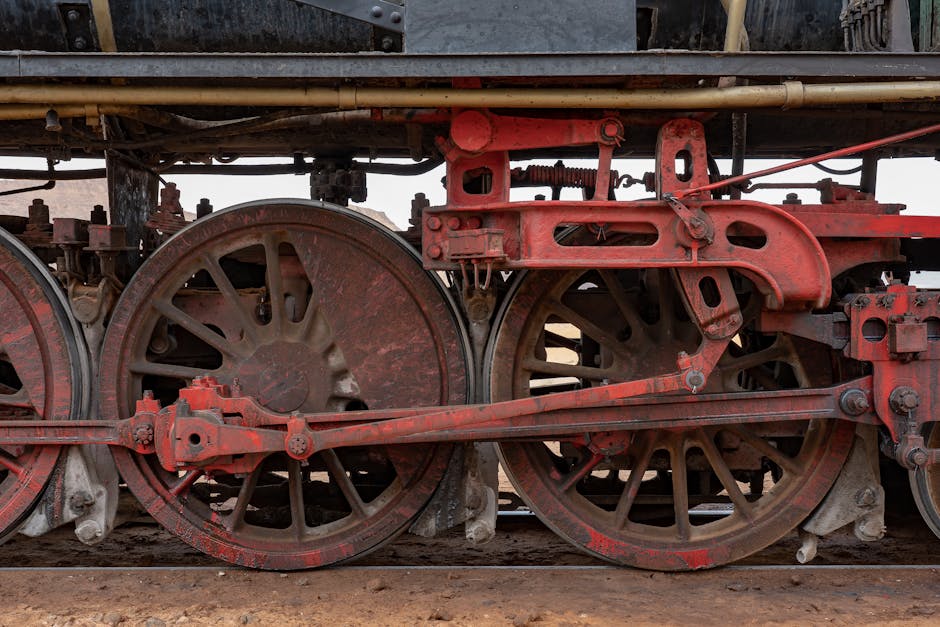
A Guide to Locomotive Parts and Their Functions: The Backbone of Rail Power


The Heart of Rail Transport: Understanding Locomotive Components
Railways have been a cornerstone of global transportation for nearly two centuries, powering economies and moving freight and passengers across vast distances. At the heart of this system lies the locomotive, a mechanical marvel built for power, endurance, and efficiency. But what makes a locomotive run? What keeps these massive steel machines moving reliably for decades?
In this guide, we break down the key locomotive parts and their functions, offering insights into how they work together to deliver seamless rail operations. Whether you’re in the railway maintenance industry, an engineer, or simply fascinated by locomotives, understanding these components can provide a deeper appreciation for one of the most powerful engineering feats in human history.
1️⃣ The Powerhouse – Locomotive Engine
At the core of every locomotive is its engine, a high-powered diesel or electric unit that generates the energy needed to drive the train.
Diesel Engine (Internal Combustion Engine)
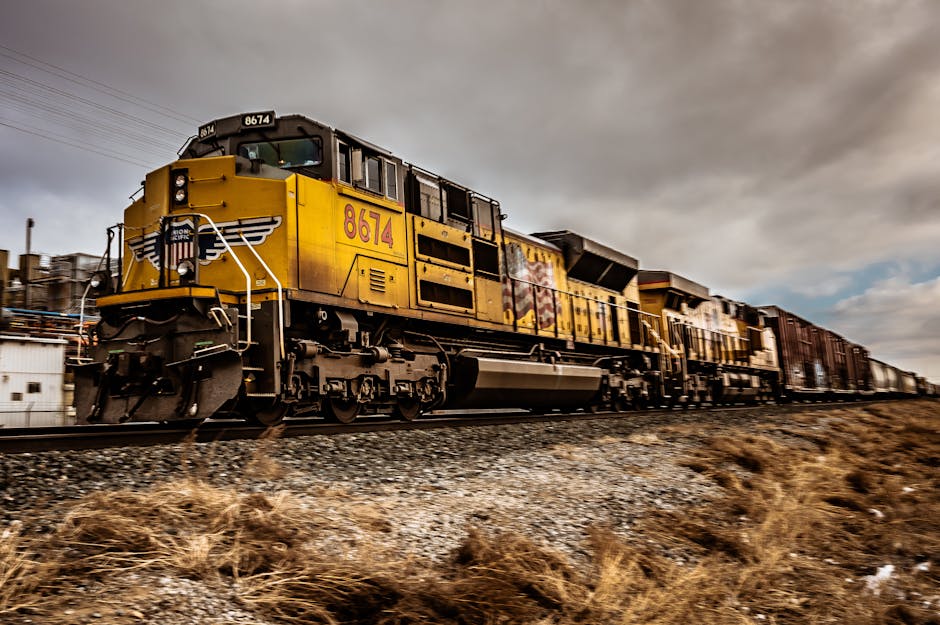
The majority of modern locomotives use diesel-electric engines, where a diesel-powered generator produces electricity that drives electric traction motors.
🔹 Key Components of a Diesel Engine:
✔ Crankshaft – Converts the linear motion of pistons into rotational force.
✔ Connecting Rods – Transfers movement from the pistons to the crankshaft.
✔ Pistons & Piston Rings – Play a crucial role in compressing air and fuel for combustion.
✔ Cylinder Liners – Reduce wear on engine walls and improve efficiency.
Did you know? The EMD 710 engine, used in freight locomotives, generates up to 4,300 horsepower, enough to move thousands of tons of cargo.
2️⃣ The Driving Force – Traction Motors & Transmission System
Once the engine generates power, it must be transferred to the wheels. This is where traction motors and the transmission system come in.
🔹 How It Works:
✔ The diesel engine powers an alternator, which generates electricity.
✔ This electricity is used to drive traction motors, which rotate the wheels.
✔ A gear system (transmission) regulates the speed and torque applied to the wheels.
Why Electric Power?
Unlike older steam locomotives, modern locomotives use electric traction because it offers better torque, efficiency, and smoother acceleration.
Fun Fact: High-speed trains like the Japanese Shinkansen and French TGV rely entirely on electric traction systems, eliminating the need for diesel engines altogether.
3️⃣ The Stability & Support System – Bearings, Bushings, and Suspension Parts
Every locomotive needs a robust structural system to handle high-speed operations and massive weight loads.
🔹 Key Components for Stability & Smooth Operation:
✔ Bearings & Bushings – Minimize friction in moving parts, reducing wear and tear.
✔ Suspension Systems – Absorb shocks and ensure a smoother ride over tracks.
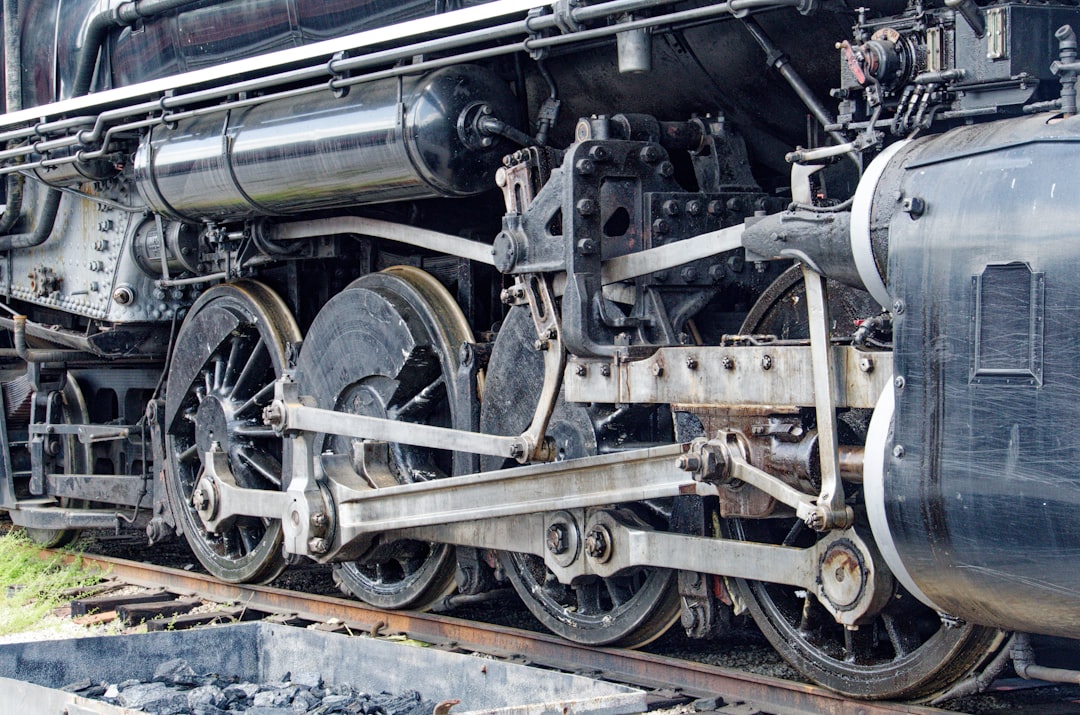
✔ Locomotive Frame & Bogies – Support the weight of the engine and provide mobility.
Why It Matters:
A well-maintained suspension and support system ensures greater fuel efficiency, less wear on tracks, and reduced maintenance costs.
Pro Tip: Using high-quality bushings and bearings significantly improves locomotive durability, reducing maintenance frequency and increasing operational lifespan.
4️⃣ The Control System – Fuel Injection, Turbochargers & Valves
For a locomotive to run efficiently, it needs precise fuel delivery and optimal airflow to maintain combustion.
🔹 Essential Engine Control Components:
✔ Fuel Injection System – Precisely delivers fuel to the combustion chamber.
✔ Turbocharger – Increases power output by compressing incoming air for better combustion.
✔ Engine Valves – Regulate airflow and fuel mixture for efficient engine performance.
Why Turbochargers?
Turbochargers improve the engine’s power-to-weight ratio, meaning more power is generated without increasing engine size.
Did You Know? Turbocharged engines can be 30-50% more fuel-efficient than non-turbocharged engines, making them a staple in modern locomotives.
5️⃣ The Brains of the Locomotive – Electrical & Control Systems
Locomotives have advanced electrical systems that control everything from throttle response to braking and safety monitoring.
🔹 Key Control Systems:
✔ Onboard Computers & Sensors – Regulate power output and monitor performance.
✔ Automatic Braking Systems (ABS) – Ensures safety during high-speed travel.
✔ Alternators & Generators – Supply power for internal locomotive systems.
Industry Trend: AI-driven monitoring systems are being integrated into modern locomotives to track performance in real time and predict maintenance needs before failures occur.
6️⃣ The Safety & Braking System – Air Brakes & Couplers
Locomotives rely on air brake systems to safely control stopping distances, especially when hauling heavy freight loads.
🔹 How Locomotive Braking Works:
✔ Compressed air is used to activate brake pads, slowing down the train.
✔ Emergency Brakes engage if the system detects excessive speed or track obstructions.
✔ Couplers securely attach train cars while allowing flexibility in movement.
Pro Tip: Regular maintenance of air brakes and couplers prevents derailments and improves operational safety.
The Future of Locomotive Technology
With advancements in AI, automation, and sustainable energy, locomotives are evolving. Here are some cutting-edge trends:
🌱 Hydrogen-Powered Locomotives – Zero-emission trains using hydrogen fuel cells are being developed to replace diesel-powered systems.
🚆 Maglev Technology – High-speed magnetic levitation (maglev) trains eliminate friction by floating above tracks, reaching speeds over 600 km/h (373 mph).
🔋 Battery-Electric Locomotives – Lithium-ion battery-powered trains are reducing fuel dependency and cutting greenhouse gas emissions.
Did You Know? The world’s first hydrogen-powered train, Coradia iLint, is already in operation in Germany, paving the way for eco-friendly rail transport.
Final Thoughts: Why Locomotive Engineering Matters
Every locomotive is a masterpiece of engineering, with thousands of components working in harmony to deliver power, efficiency, and reliability. Understanding these critical parts—from traction motors to turbochargers and braking systems—can help railway professionals and enthusiasts appreciate the innovation behind modern train technology.
At Unotech Engineering, we specialize in OEM-quality locomotive spare parts, ensuring that rail operators worldwide have access to high-performance components for maximum efficiency and longevity. Whether it’s EMD, ALCO, or GE/WABTEC locomotive parts, we provide precision-engineered solutions for the railway industry.
📩 For bulk orders, technical specifications, or customized locomotive solutions, contact Unotech Engineering today.